Bad Credit Mortgages in Canada: Your Guide to Finding the Right Broker
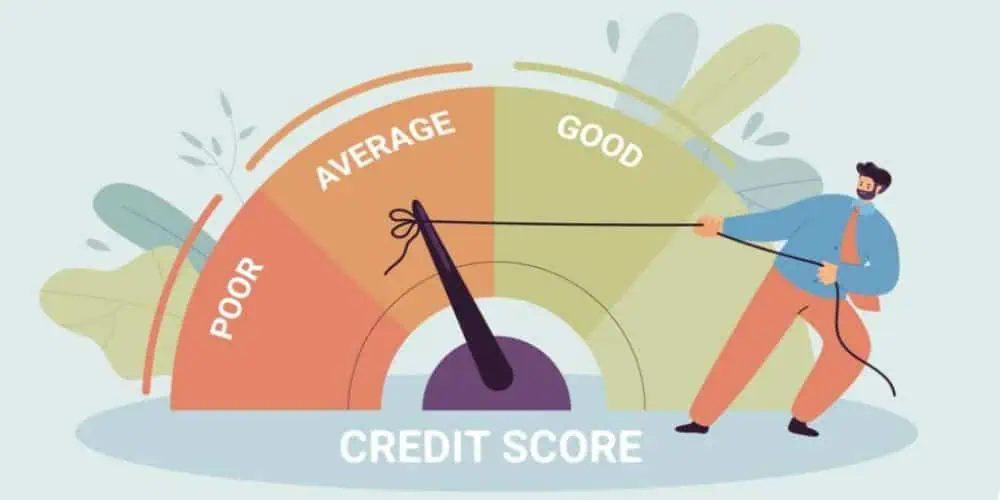
Getting a mortgage can be tough if you have bad credit. Many banks see low credit scores as risky and may reject your application or offer higher interest rates.
But don't worry. Having bad credit doesn't mean you can't buy a home, it just means your approval is going to look different than someone with a 750 score. Banks aren't the only lenders out there. Private mortgage lenders and brokers who specialize in bad credit files work with people banks turn down every day, and that's the ground this guide covers.
In this guide, we’ll explain everything you need to know about bad credit mortgages in Canada. We’ll show you how brokers can help you get a mortgage throughout the process.
What is a Bad Credit Mortgage?
A bad credit mortgage helps people with low credit scores who can't get approved for traditional mortgages from major banks.
Bad credit mortgages help people with poor credit become homeowners. Without these loans, many with bad credit would struggle to get approval from traditional lenders and miss the chance to own a home.
Challenges of Securing Mortgage with Bad Credit in Canada
Getting a mortgage with bad credit in Canada can be tough. Many people face several challenges that make the process more complicated.
Here are a few basic issues you might face:
1. Higher Interest Rates
If you have bad credit, lenders usually charge you higher interest rates. They see you as a bigger risk. This means you’ll pay more each month. Overall, you’ll end up paying much more over the life of the loan.
2. Strict Terms
Mortgages for bad credit often come with tougher rules. Lenders might ask for a larger down payment or have specific requirements you need to meet. These stricter terms can make it harder to get the loan you want.
Let’s have a quick look at other challenges including:
- With bad credit, you have fewer lenders ready to work with you.
- Many traditional banks may turn you away due to your credit score.
- You may end up relying on alternative lenders who focus on bad credit mortgages, and more Canadians are going this route than you'd think.
Difference Between Traditional Mortgages vs. Bad Credit Mortgages
| Feature | Traditional Mortgages | Bad Credit Mortgages |
| Credit Requirements | Good credit scores needed | Available for low credit scores |
| Interest Rates | Generally lower rates | Usually higher rates |
| Down Payment | Lower down payment options | Often require a larger down payment |
| Lender Options | Many choices from banks and credit unions | Fewer choices, often alternative lenders |
| Loan Terms | More flexible terms | Stricter terms |
| Approval Process | Easier approval process | More challenging to get approved |
| Loan Variety | Wide range of loan products | Limited loan options |
| Monthly Payments | Typically lower payments | Higher monthly payments |
How a Bad Credit Mortgage Broker Can Help You?
Finding the right lender is important to getting a bad credit mortgage. And this is where LendingHub can make a big difference. Our mortgage broker acts as a middleman between you and various lenders, comparing options across every tier instead of pushing you toward whichever one they're contracted with. If you're still weighing a broker versus walking into your bank branch, the practical difference between a mortgage broker and a bank is worth reading first.
Here's how a broker can help if you have bad credit:
1. Access to Broad Network of Lenders
A broker works with multiple lenders, including those that specialize in bad credit mortgages. These lenders are not the big banks but smaller, more flexible institutions that are ready to take on higher-risk borrowers.
2. Negotiating on Your Behalf
One of the broker’s main jobs is to negotiate the best possible terms for your mortgage. They can negotiate interest rates, down payment requirements, and repayment terms.
3. Expert Advice on Improving Your Chances
A good broker will not only help you find a lender but also provide advice on how to improve your chances of approval. It could include tips on reducing your debt, increasing your income, or even fixing errors on your credit report.
4. Help with Paperwork
The mortgage application process can be complicated, especially if you have bad credit. Moreover, a mortgage broker for bad credit helps streamline the process.
5. Helping You Understand the Terms
Bad credit mortgages come with higher interest rates and fees. A broker can explain these terms in simple language. Also, you can understand the full cost of the mortgage before signing any agreements.
Tips for Choosing the Right Broker
|
How to Find the Best Bad Credit Mortgage Brokers in Canada?
If you have bad credit and want a mortgage, we are here to help you. Well, you can easily find the best bad credit mortgage broker in Canada:
- Check Credentials: Start by looking at the qualifications of the brokers. Find brokers who are licensed and have experience helping people with bad credit.
- Read Reviews: Take time to read reviews from past clients. Look for comments on the broker's website and check other review sites for unbiased opinions.
- Ask Questions: Don’t be afraid to ask questions when talking to potential brokers. Ask about their experience with bad credit mortgages, the lenders they work with, and the types of loans they can help you with.
You should ask key questions including:
- What Are Your Fees?
- What Types of Loans Do You Offer?
- How Long Will the Process Take?
- What Documents Do I Need?
- What Happens If I Miss a Payment?
Tips to Improve Your Mortgage Approval Chances
If you have bad credit and want to boost your chances of getting approved for a mortgage, follow some simple tips to help:
- Save a Bigger Down Payment: The more money you can put down, the better. A bigger down payment shows lenders you're serious and lowers the amount you need to borrow.
- Lower Your Existing Debt: Try to pay off as much of your existing debt as possible. Lenders like to see that you're managing your finances well and have less debt to worry about.
- Boost Your Credit Score: Work on improving your credit score by paying bills on time, reducing your credit card balances, and avoiding new loans. The role your credit score actually plays in the rate you're offered is worth understanding before you start applying.
Where You Actually Fit: A-Lenders, B-Lenders, and Private Lenders
Most people don't realize Canadian mortgage lending works in tiers, and knowing which tier you're in saves a lot of wasted applications.
A-lenders are the big banks and the monoline lenders that work through brokers. They want to see a credit score of 680 or higher, and the best rates go to files above 720. If your score falls under 600, even an insured mortgage through a bank is off the table.
B-lenders sit in the middle. These are federally regulated, real institutions, not private money, and they'll typically work with scores in the 550 to 680 range. Expect to pay somewhere between 0.5% and 2% more than bank pricing, and expect to put down more than the 5% minimum banks allow. A B-lender mortgage is rarely meant to be permanent. Most brokers set it up as a one to three year bridge while you rebuild your file, then move you back to an A-lender.
Private lenders are a separate category again, and this is where a lot of people end up when even a B-lender says no. Private lenders care far less about your credit score and far more about the property itself, how much equity is in it, and whether the loan-to-value makes sense to them. That flexibility comes at a price, private mortgage rates run higher than both A and B-lender pricing, but for someone who's been declined twice already, it can be the difference between buying this year and waiting another two.
A broker who works across all three tiers, not just one, is the one who actually gets you the right fit instead of the only option they happen to offer.
FAQ
1. Can I get a mortgage with a credit score below 600?
Yes, it’s possible to get a mortgage with a credit score below 600. Some lenders specialize in bad credit loans, but you may face higher interest rates and require a larger down payment.
2. What should I expect for interest rates?
If you have bad credit, expect higher interest rates than those with good credit. This means your monthly payments will be more expensive, so plan your budget carefully.
3. How can I improve my chances of getting approved?
To improve your chances, try to pay off existing debts, save for a larger down payment, and work on boosting your credit score.
Final Thought: Ready to Move with Bad Credit Mortgage
Having poor credit can make buying a home more challenging, but it’s still possible.
Look at your options, and if needed, take some time to improve your credit score before buying. Remember, improving your credit over time will open up better mortgage options in the future.
Need help finding the right lender? Start your journey today with LendingHub!
Recent Blogs
View allThe Knowledge Hub
You acknowledge and agree to Lending Hub's Terms of Use and Privacy Policy by submitting your email address. Contact Us for more information. You can unsubscribe at any time.