What is the Land Transfer Tax in Brampton?
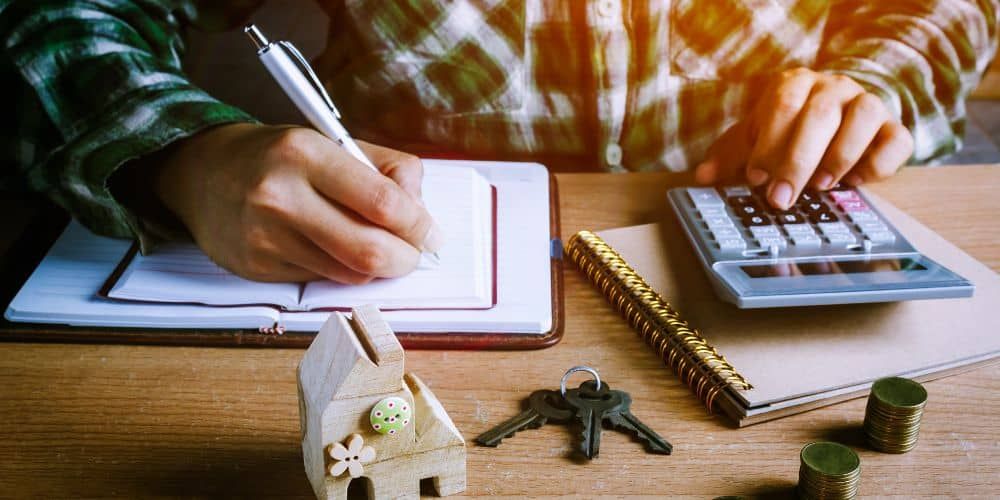
If you’re buying a home in Brampton, there’s one cost that often catches people off guard—the land transfer tax in Brampton. I’ve noticed that many buyers focus on the down payment and mortgage approval. However, they often overlook the money due on closing day. Then suddenly, the numbers feel overwhelming.
When I first started learning about real estate costs, the land transfer tax felt confusing and unnecessary. Buying a home should be an exciting experience, not a stressful one. But hidden costs can quickly turn excitement into anxiety.
The good news is that once you understand how the land transfer tax works in Brampton, it becomes much easier to plan and budget properly.
In this article, I’ll explain what the tax is, how much you pay, who pays it, and when it’s due. I’ll clear up a big misconception—whether Brampton has an extra municipal land transfer tax like Toronto.
Ontario Land Transfer Tax (LTT) Explained
First, let me clear something up.
The land transfer tax in Brampton is actually an Ontario tax, not a Brampton-specific one. The province of Ontario charges this tax whenever a property changes ownership.
This tax applies when you buy:
- A house
- A condo
- A townhouse
- Vacant land
- Commercial property
You pay the tax based on the purchase price of the property. The higher the price, the higher the tax.
The land transfer tax gets paid one time only, and it’s due on closing day. Your real estate lawyer usually collects it and sends it to the province on your behalf.
Does Brampton Have a Municipal Land Transfer Tax?
This is one of the most common questions I hear.
The Key Difference: Toronto vs. Everywhere Else (Including Brampton)
Here’s the good news.
Brampton does NOT have an extra municipal land transfer tax.
Only the City of Toronto charges an additional municipal land transfer tax on top of the Ontario tax. If you buy in Toronto, you pay the tax twice.
If you buy in Brampton, you only pay:
Ontario Land Transfer Tax
That alone makes buying in Brampton more affordable compared to Toronto. Many buyers move to Brampton for this exact reason.
Current Brampton Land Transfer Tax Rates & Calculator
Since Brampton uses Ontario’s system, the Brampton land transfer tax follows Ontario’s tax brackets.
Current Ontario LTT Tax Brackets & Rates
| Purchase Price Portion | Tax Rate |
| Up to $55,000 | 0.5% |
| $55,000 – $250,000 | 1.0% |
| $250,000 – $400,000 | 1.5% |
| $400,000 – $2,000,000 | 2.0% |
| Over $2,000,000 | 2.5% |
The tax is calculated progressively, just like income tax. Each portion of the price gets taxed at a different rate.
How to Calculate Your LTT in Brampton: Step-by-Step
Let me make this easy. Here’s how I calculate the land transfer tax in Brampton:
- Break the purchase price into tax brackets
- Apply the correct rate to each portion
- Add everything together
You don’t pay one flat rate on the full price. Each part of the price gets taxed differently.
Free Brampton LTT Calculator Tool & Example
Many buyers use online calculators, but I always suggest understanding the math yourself, too. That way, you can budget properly.
Example Calculation for an $850,000 Detached Home in Brampton
Let’s break it down:
- First $55,000 × 0.5% = $275
- Next $195,000 × 1.0% = $1,950
- Next $150,000 × 1.5% = $2,250
- Remaining $450,000 × 2.0% = $9,000
Total Land Transfer Tax = $13,475
That’s the Brampton land transfer tax payable at closing—before any rebates.
Who Pays the Land Transfer Tax in Brampton?
This part is straightforward to understand.
Buyer’s Responsibility at Closing
If you’re buying a home in Brampton, you are responsible for paying the land transfer tax. The seller does not pay this tax at all.
On closing day, your real estate lawyer collects the land transfer tax from you and submits it to the province on your behalf. Without this payment, the home cannot legally be transferred into your name, which means the deal cannot be completed.
That’s why it’s so important to plan for this cost early. The land transfer tax can be a significant expense, and many buyers overlook it when budgeting for a home. Preparing ahead helps you avoid last-minute stress and ensures a smooth closing process.
Curious about mortgage refinancing in Canada? Learn how it works, when it makes sense, and how you can save money or access extra funds for your home.
Special Cases: Family Transfers, Builders, and More
Many people think property transfers between family members are always tax-free. That’s not always true.
1. Gifted properties
Even if a home is given as a gift, land transfer tax may still apply based on the property’s value.
2. Builder purchases
Buying from a builder follows the same land transfer tax rules as any other home purchase.
3. Spousal transfers
Transfers between spouses may be exempt, but only in certain situations.
How to Save Money: Ontario & Brampton LTT Rebates
Now let’s talk about saving money.
First-Time Home Buyer Rebate (Ontario)
Ontario offers a first-time buyer rebate that reduces the land transfer tax in Brampton.
Maximum Rebate Amount & Eligibility Rules
- Maximum rebate: $4,000
- Applies only to Ontario LTT
- Automatically applied at closing by your lawyer
Qualifications for “First-Time Buyer” in Ontario
You qualify if:
- You have never owned property anywhere in the world
- Moreover, you are at least 18 years old
- Also, you live in the home for 9 months
If two buyers purchase together, both must qualify to receive the full rebate. Because these rules can be confusing, it’s best to check with a real estate lawyer to know if the land transfer tax applies to your situation.
Are There Other Rebates or Refunds?
In some cases, refunds apply for:
- Canceled agreements
- Errors in registration
- Certain family transfers
These are rare, but a lawyer can guide you.
Common Mistake: Don’t Lose Your Rebate at Closing
Some buyers lose their rebate because of small, simple mistakes. Avoid these problems:
- The home is bought as a rental or investment instead of a main home
- The wrong name is listed on the property title
- The buyer does not move in on time
Before closing day, confirm your rebate details with your lawyer to ensure you don’t miss out on money you deserve.
Learn why big banks push 5-year fixed rates and how it affects your mortgage choices. Find out if a shorter or variable term could save you money.
Closing Costs in Brampton: More Than Just Land Transfer Tax
Land transfer tax is only one of the costs you pay when buying a home. There are several other expenses buyers should plan for before closing day.
Here are common additional closing costs:
1. Legal Fees and Disbursements
Most buyers pay between $1,500 and $2,500, depending on how complex the purchase is.
2. Title Insurance
A one-time fee that protects you from ownership and title-related issues.
3. Adjustment Costs
These cover items the seller paid in advance, such as property taxes, utilities, or condo fees, which you reimburse at closing.
When planning your budget, it’s also smart to look at current mortgage rates in Brampton to understand your full monthly and upfront costs.
Pro Tips for Brampton Home Buyers
Plan for land transfer tax early
Include land transfer tax in your budget before you start home shopping. This helps you avoid surprises and keeps your buying process stress-free.
Work with a real estate lawyer
A real estate lawyer helps you by:
- Calculating the correct land transfer tax
- Applying for rebates you qualify for
- Avoiding delays or issues on closing day
With the right support, buying a home in Brampton becomes easier, safer, and more confident.
Looking for the best HELOC rates in Ontario? Our experts compare options, help you understand your borrowing power, and guide you to smart decisions for your home financing needs.
Pro Tips for Brampton Home Buyers
1. Know the Market Dynamics
- Brampton is part of the Greater Toronto Area (GTA). It is high-demand and fast-moving. Homes can sell quickly, often above asking price.
- Detached homes are highly competitive, while condos and townhouses may offer more affordable options.
- Check average prices by neighborhood—some areas like Heart Lake or Mount Pleasant may offer better value than central Brampton.
2. Get Pre-Approved, Not Just Pre-Qualified
- Pre-approval gives you a realistic budget and shows sellers you’re serious.
- Rates can fluctuate, so locking in a rate may give you an advantage.
- Factor in land transfer tax, legal fees, home inspection, and maintenance costs.
3. Research Neighborhoods Thoroughly
- Consider commute times to Toronto or major employment hubs. Brampton has highways 410, 407, and GO Transit access.
- Schools, parks, and amenities matter if you have a family. Check Fraser Institute school rankings.
- Look at future development plans; new condos or infrastructure can affect property values.
4. Work With a Local Real Estate Agent
- Brampton’s market moves fast—having an agent familiar with micro-neighborhood trends is critical.
- They can give early access to listings and pre-market opportunities.
- Negotiation tips: agents know when bidding wars happen and how to make offers attractive without overpaying.
5. Inspect Everything Carefully
- Even in a hot market, don’t skip home inspections. Older Brampton homes may have foundation, roofing, or plumbing issues.
- Pay attention to basement moisture; Brampton has clay soil that can lead to drainage issues.
- Consider additional inspections: pest, electrical, and HVAC.
6. Factor in Resale Potential
- Even if it’s your dream home, think about future resale value.
- Features that improve resale: garage space, finished basement, modern kitchen, and proximity to transit.
- Neighborhoods with good schools and amenities retain value better.
7. Timing Your Purchase
- Spring often sees more listings but also more competition.
- Winter can yield better deals with fewer buyers, though inventory is limited.
- Interest rates and mortgage rules heavily influence affordability—watch Bank of Canada updates.
8. Don’t Overextend Yourself
- Aim for a mortgage where monthly payments are below 30-35% of your gross income.
- Factor in property taxes (~$4–6k/year for an average Brampton detached home) and condo fees if applicable.
- Leave a buffer for unexpected repairs or renovations.
9. Consider New vs. Resale Homes
- New builds: Modern layouts, warranties, and less maintenance. But sometimes overpriced in hot markets.
- Resale homes: Often more affordable, better locations, but may require updates.
10. Look Beyond the Price Tag
- Noise, traffic patterns, and neighbors impact lifestyle.
- Take multiple visits at different times of day before committing.
- Check property taxes and utility costs for long-term budgeting.
Conclusion: Land Transfer Tax in Brampton Made Simple
One of the benefits of buying a home in Brampton is that you only pay the Ontario land transfer tax. Unlike Toronto, there’s no extra city tax, which makes Brampton more affordable for first-time buyers, families, and investors.
It’s important to plan for this tax early. Many buyers focus only on the price of the home and forget about the tax. Budgeting ahead ensures you won’t be surprised by extra costs and helps you understand your true total expenses.
If you’re a first-time buyer, check if you qualify for a land transfer tax rebate. This can save you thousands and make buying a home much easier. Knowing about the rebate ahead of time means you won’t miss out on this benefit.
Working with experienced professionals makes the process even easier. They can guide you through the calculations, paperwork, and deadlines, so you can focus on finding the right home without stress.
With the right preparation, the land transfer tax in Brampton is simple and manageable. Brampton’s lower tax compared to Toronto is one of the many reasons it’s a smart choice for buyers in the GTA.
Recent Blogs
View allThe Knowledge Hub
You acknowledge and agree to Lending Hub's Terms of Use and Privacy Policy by submitting your email address. Contact Us for more information. You can unsubscribe at any time.